

The Case for Something Ugly
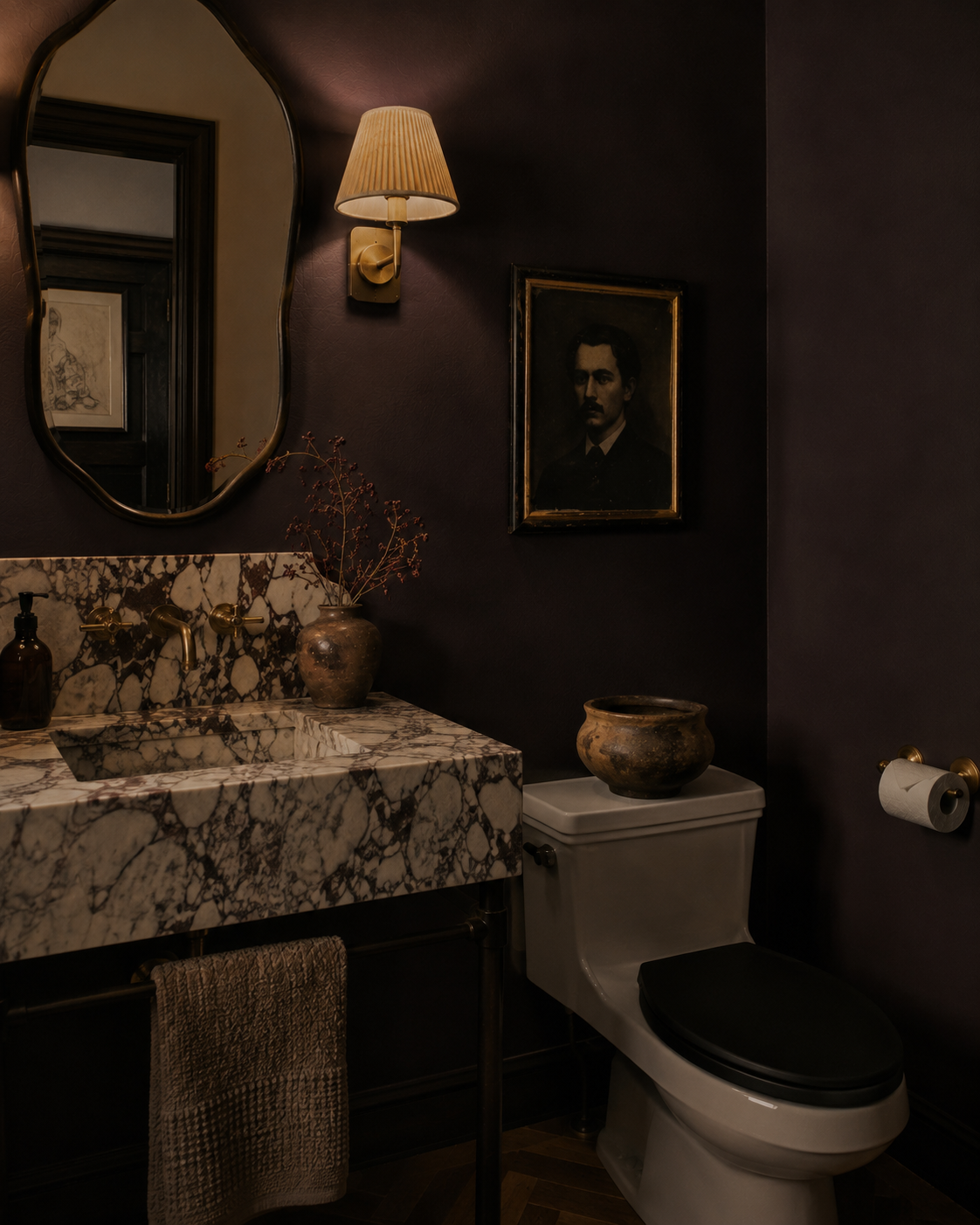
Every Beautiful Room Needs Something a Little Ugly
We’re going to say something that may sound strange coming from an interior design firm:
Sometimes a room needs something ugly.
Not actually ugly. We’re not suggesting you drag home something you hate in the name of good design.
We mean the piece that’s a little awkward. A little strange. Maybe too old, too heavy, too primitive or completely different from everything sitting around it.
The thing that makes you look twice.
Because sometimes a beautiful room has a problem: everything is beautiful.
Pretty Can Get Boring
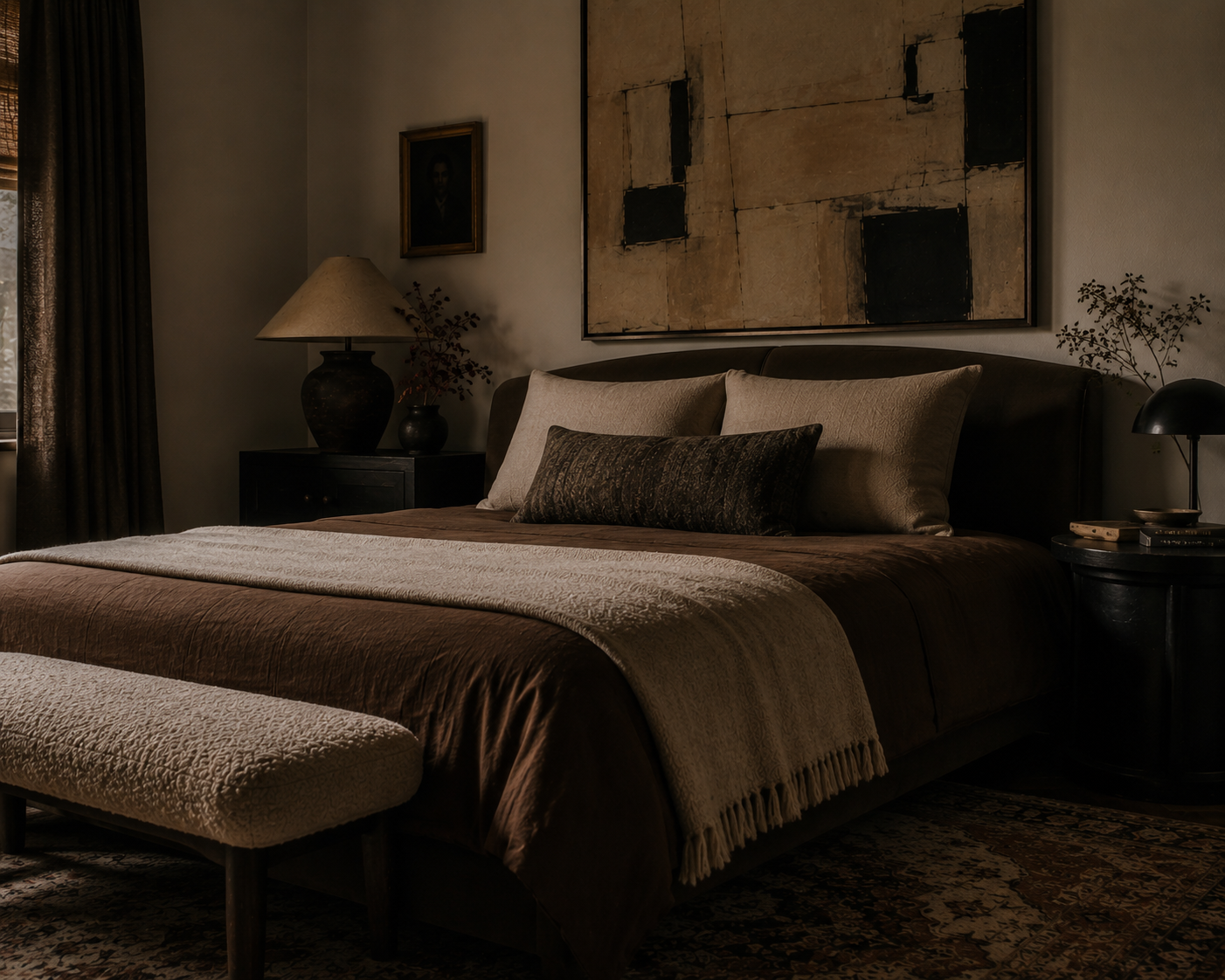
There’s a particular kind of room that’s almost impossible to criticize.
The sofa is beautiful. The chairs coordinate. The rug is the right size. There’s a tasteful arrangement on the coffee table. The art complements the palette. Everything is exactly where it should be.
And somehow, you feel absolutely nothing.
Technically, the room works.
But there’s nothing to discover.
We think great interiors need a little tension. Something that interrupts all that prettiness and keeps the room from feeling too carefully assembled.
That’s where the “ugly” thing comes in.

Give the Eye Somewhere to Stop
Imagine a beautifully tailored living room with warm plaster walls, linen upholstery and an antique rug.
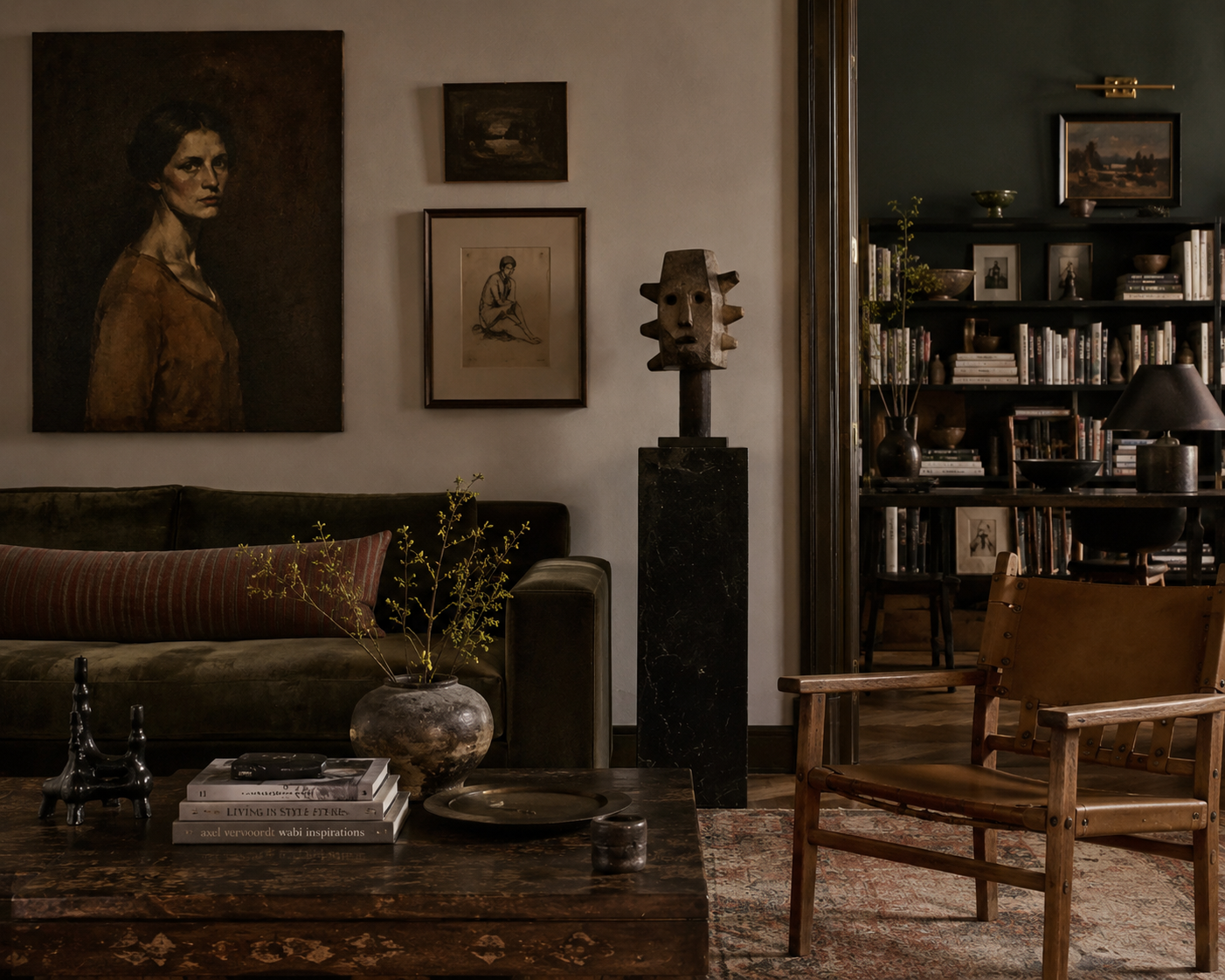
Now put a strange, oversized brutalist candelabra on the table.
Suddenly, there’s a conversation happening.
Or take a polished dining room and introduce a primitive wooden stool that looks like it has survived three generations and at least one questionable repair.
It might not be the prettiest thing in the room.
It might be the thing you remember.
These pieces give your eye somewhere to stop. They create contrast against everything more refined around them.
And contrast is often what gives a room its personality.

Not Everything Needs to Match the Assignment
One of the easiest ways to make a home feel overly designed is to become too loyal to a particular style.
If you have a midcentury home, everything doesn't have to be midcentury.
If you love traditional interiors, you are still allowed to own something contemporary.
And if your house leans modern, we promise an old wooden cabinet isn't going to ruin it.
In fact, it might save it.
We’re much more interested in how pieces relate to each other than whether they came from the same design period.
A sleek chair beside a heavily worn antique chest can make both pieces more interesting. A contemporary lamp sitting on an old table creates contrast. Something crude placed beside something delicate suddenly makes you notice the qualities of each.
Rooms become interesting when things that shouldn't necessarily work together somehow do.
Age Helps
New furniture has a difficult job.
It has to create character without having lived long enough to actually acquire any.
Older pieces already have it.
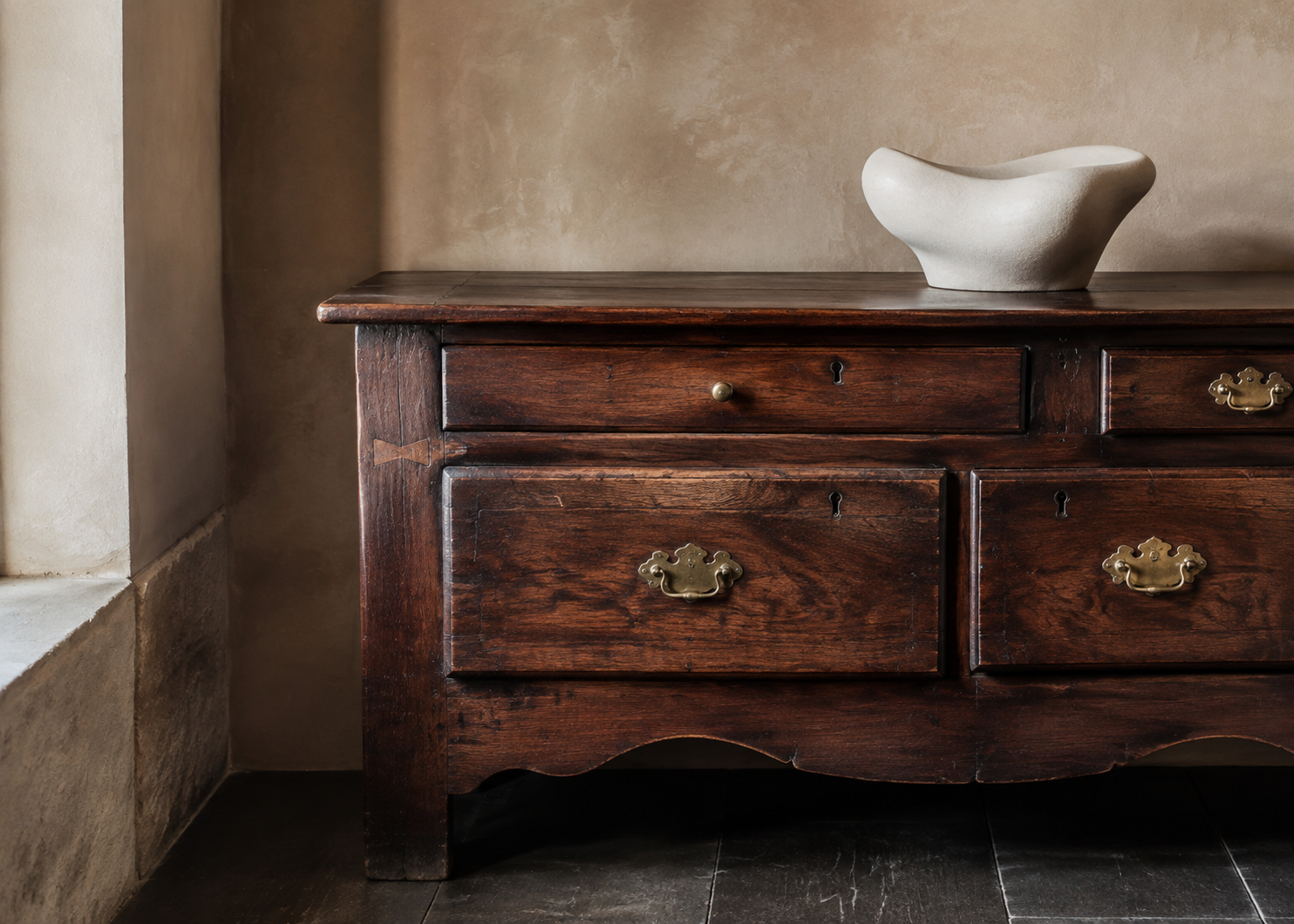
They have scratches. Uneven finishes. Repairs. Strange proportions. Wood that has darkened over decades. Metal that isn't quite the color it used to be.
We don't necessarily want to fix all of that.
Sometimes the wear is the best part.
There’s a difference between something being damaged and something showing evidence of a life before yours.
We like the latter.
It keeps a room from feeling as though everything arrived on the same delivery truck Tuesday afternoon.
The Weird Thing Usually Finds You
You can certainly go shopping for an unusual piece, but the best ones tend to appear when you aren't specifically looking for them.
You find them shoved into the corner of an antique store.
At an estate sale.
In your grandparents' attic.
At a flea market underneath twelve things you absolutely do not want.
And your first reaction might be:
What on earth would I do with that?
Good.
Those are often the things worth considering.
You don't always need to know exactly where something is going before you bring it home. Sometimes you just know it has enough character to deserve a place somewhere.
We’re big believers in leaving a little room for instinct.
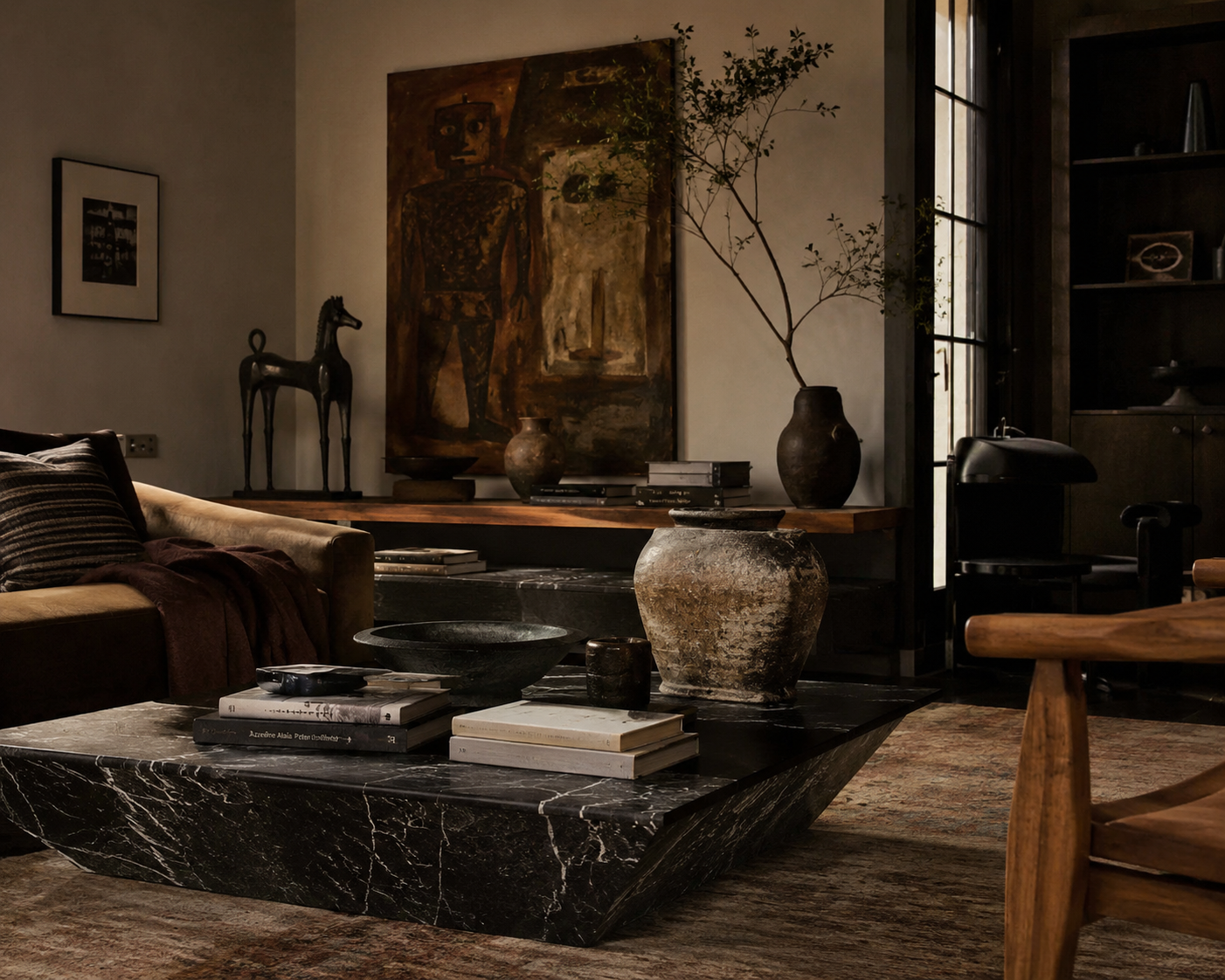
There's a Difference Between Weird and Random
Of course, we're not advocating chaos.
The goal isn't to fill a house with strange objects simply because they're strange.
The piece still needs to have some relationship with the room around it. Maybe it repeats a material. Maybe its shape balances something across the room. Maybe its roughness contrasts beautifully with a polished surface nearby.
Or maybe it simply has enough presence to stand on its own.
Good tension feels intentional even when the individual pieces seem unexpected.
Random feels random.
There is, admittedly, a fine line.
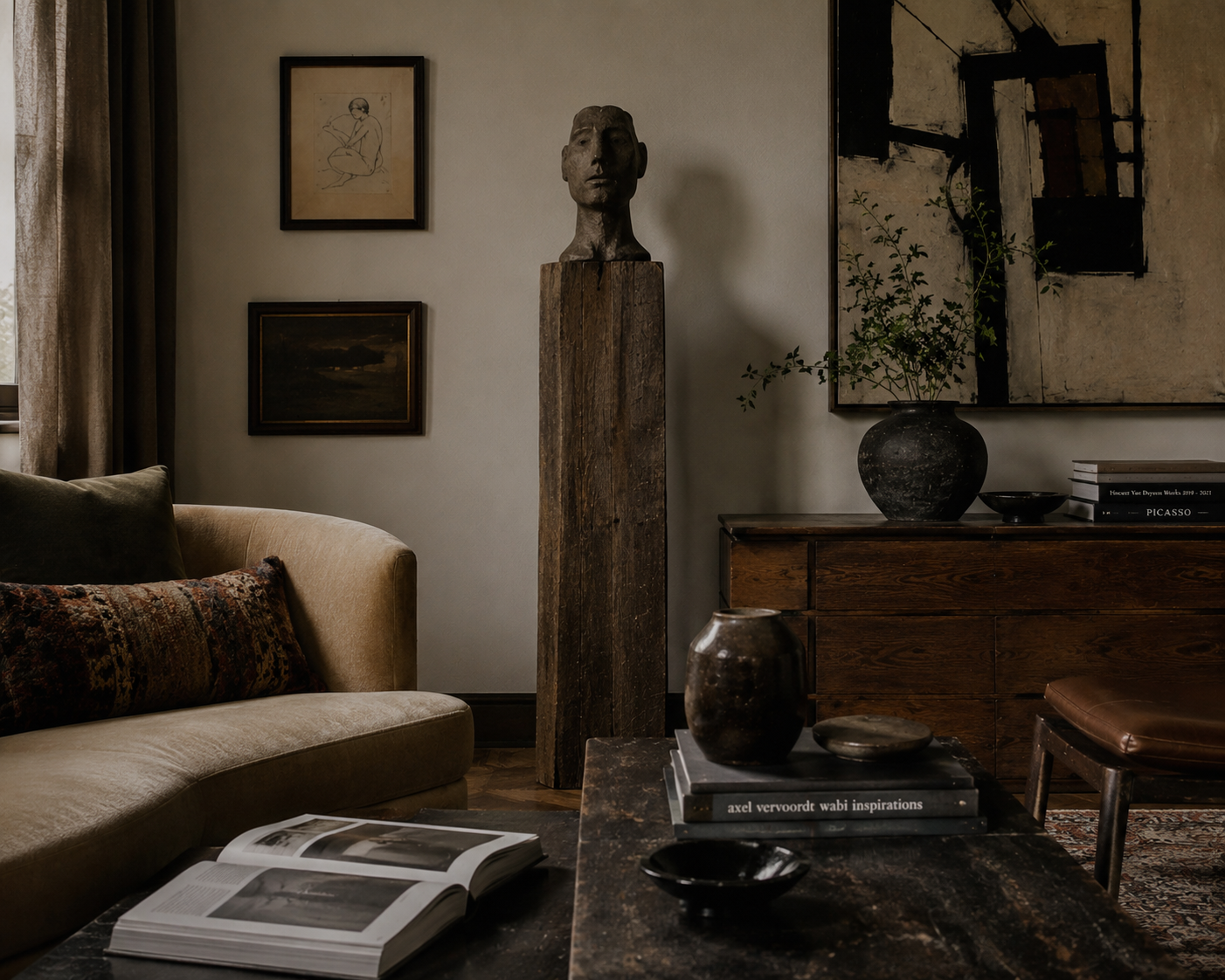
Your Home Needs a Few Question Marks
We don't think you should be able to understand an entire room in five seconds.
There should be something that makes you curious.
Something with a story you don't immediately know.
Something that makes a guest ask, “Where did you find that?”
Because your home isn't a furniture showroom, and it doesn't need to behave like one.
Buy the beautiful sofa.
Hang the beautiful art.
Choose the beautiful fabric.
But when you find that strange old chair, slightly ridiculous lamp or enormous object that you can't stop thinking about?
Maybe don't talk yourself out of it.
Your room might need something ugly.